Add Row
Add Element
UPDATE
Add Element
  • Home
  • Categories
    • Featured Restaurants
    • Best in Dining Awards
    • Food & Dining Trends
    • Reputation & Reviews
    • Local Flavor Guides
    • Chef & Restaurateur Spotlights
    • Business Growth & Marketing
    • Events & Community
  • Restaurant news
September 09.2025
3 Minutes Read

Kitchen Guard Launches in Louisville, Safeguarding Local Restaurants

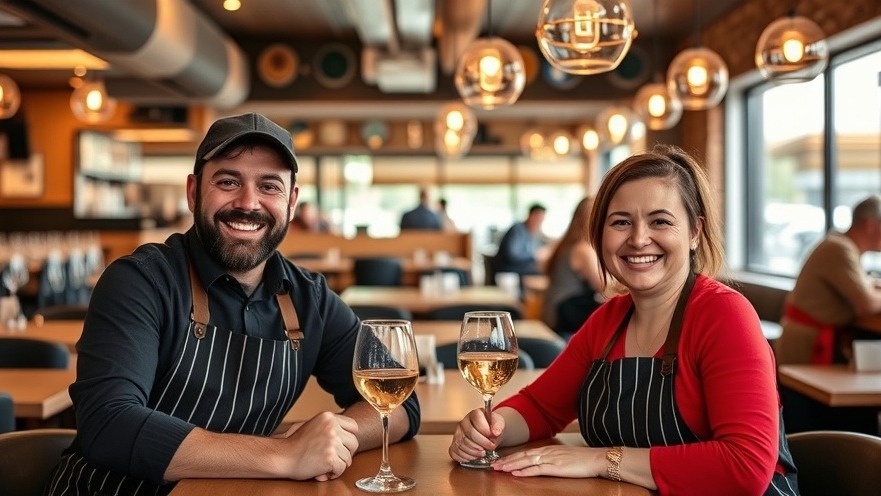
Happy restaurant owners promoting fire safety for restaurants.


Empowering Louisville’s Culinary Community with Safety

Amanda Rosa's innovative venture, Kitchen Guard, represents a pivotal step in protecting the culinary soul of Louisville. With a rich tapestry of family-owned restaurants at its heart, Amanda combines her passion for community service with an essential business model that prioritizes safety and compliance. She highlights the critical role that restaurants play in our daily lives, serving as gathering spots for celebrations and everyday meals alike.

Understanding the Risks Facing Local Kitchens

The heated atmosphere of a busy kitchen can lead to dangerous conditions. In fact, recent events, like the devastating fire at El Nopalito, underscore how financial and emotional investments in local dining are jeopardized by neglecting essential fire safety measures. Amanda emphasizes, "Too many kitchens are at risk of grease fires and shutdowns due to overlooked maintenance," making the services offered by her business not just beneficial, but essential.

A Community Together: The Role of Kitchen Guard

Expanding on the concept of community, she emphasizes how Kitchen Guard goes beyond basic cleaning and inspections. With NFPA 96-compliant exhaust and hood cleaning, grease filter exchanges, and eco-friendly solutions, Amanda is dedicated to creating a safer dining experience for both restaurant staff and patrons. Amidst rising concerns of safety, Amanda and her team are crafting a narrative of security and reliability for Louisville's dining establishments.

Building a Trusted Team for a Trusted Service

Amanda credits the success of Kitchen Guard to the talented team she has assembled. By recruiting individuals trained at Kitchen Guard's headquarters in San Diego, she ensures that her staff remains knowledgeable about the highest industry standards.

The Importance of Local Support: Why Family-Owned Restaurants Matter

Family-owned restaurants are more than just businesses; they're cultural institutions. They evoke a strong sense of nostalgia and community pride, making it even more critical to keep them safe and operational. Amanda’s commitment to supporting such establishments reflects her own values of hard work, legacy, and service. By dedicating her services to these local gems, Amanda fortifies the city's economic foundation: family business.

Contributing to Local Resilience

Amanda’s leap into entrepreneurship was fueled by the support of the Kitchen Guard network—described as more of a family than just a franchise. This community aspect allows her to draw from a collective wealth of knowledge and resources, enhancing her ability to protect the heart of Louisville’s dining scene.

The Future of Fire Safety in Restaurants

With a vision for growth, Amanda plans to expand Kitchen Guard’s outreach to include educational initiatives on fire safety and compliance for restaurant owners. Empowering businesses with knowledge about fire safety and maintenance protocols will not only protect them but also foster a culture of preparedness that could prevent further incidents. As she says, "We’re here to help protect our kitchens and businesses thrive." For the local dining scene, safety is not just a necessity; it’s a community commitment to preserving the richness of Louisville’s gastronomical legacy.

In a city renowned for its vibrant dining culture, Amanda Rosa's Kitchen Guard stands as a guardian for the cherished eateries that define Louisville. Through her commitment to safety and community service, she's not just offering a business; she's creating a safer, more sustainable future for the local culinary scene.


Restaurant news

0 Comments

Write A Comment

*
*
Related Posts All Posts
02.21.2026

Supreme Court's Ruling Strikes Down Trump's Tariffs: What It Means for Restaurant Owners

Update The Supreme Court's Landmark Decision: Implications for Restaurant OwnersOn February 20, 2026, the Supreme Court's ruling against President Trump's tariffs has triggered significant waves across various sectors, particularly within the restaurant industry. The decision, reached with a 6-3 majority, holds that the president exceeded his authority when he imposed sweeping tariffs through the International Emergency Economic Powers Act (IEEPA), a statute meant for emergencies. For many restaurant owners who have borne the economic burden of these tariffs, this ruling offers a glimmer of hope amidst an often volatile landscape.The Impact on Pricing and Costs in the Restaurant SectorFor restaurant owners, the implications of this ruling cannot be understated. Trump's tariffs affected a wide range of products, ranging from ingredients to equipment, leading to increased prices for consumers and squeezed profit margins for businesses. With the potential for refunds on tariffs already paid, restaurateurs may find some financial relief, aiding their recovery from the heavy costs associated with these duties.Understanding the Ruling's Wider Economic ContextThe Supreme Court's ruling is not just a setback for Trump’s administration but signals a pivotal point for how future tariffs might be implemented. Chief Justice John Roberts emphasized that the IEEPA does not authorize the imposition of tariffs, stressing the need for congressional approval for such decisive economic measures. This aspect is crucial, as the restaurant industry often relies on imported goods, and stability in pricing can support better budgeting and forecasting for restaurant owners.Future Strategies in Trade and TariffsWhile the Supreme Court ruling curtails the use of IEEPA for tariffs, it does not eliminate all avenues available for imposing tariffs. Other legislative tools remain available under laws like the Trade Act of 1974. Restaurant owners should brace for potential changes in import costs through these alternative measures, and they must stay informed about evolving trade policies that could impact their bottom line.Voice of the Industry: Support and ReliefFeedback from within the industry has been overwhelmingly positive regarding this ruling. Victor Schwartz, a New York-based importer, referred to the tariffs as “arbitrary, unpredictable, and bad business.” Many restaurant owners have echoed his sentiments, advocating for a full refund process that must be efficient and clear, ensuring that businesses are not held hostage by bureaucratic delays.Next Steps for Restaurant OwnersIn the wake of this ruling, restaurant owners should take proactive steps in addressing potential tariff refunds and keeping an eye on future tariff structures. Consulting with trade experts or legal advisors may provide invaluable insights on navigating refund requests and adjusting supply chains accordingly. Understanding these nuances could enhance financial resilience and operational efficiency moving forward.As the dust settles from this Supreme Court decision, the restaurant community stands at a crossroads. Adapting to the aftermath of tariff impacts will require both strategy and support from policy makers, while maintaining an open dialogue with wholesalers and suppliers will help insulate businesses from further economic shocks.

02.21.2026

Subway Ends Free Sub Offer: What Restaurant Owners Should Know

Update Subway's Free Sub Offer: The End of a Popular IncentiveSubway, a staple in the fast-food landscape, has recently made headlines by pulling back on its beloved free sub incentive. After a brief revival of its Sub Club rewards program, which promised customers a free footlong after a series of qualifying purchases, the company announced that customers will no longer be able to earn this perk starting April 1, 2026. In a move that has caused significant backlash among customers, the sandwich giant is shifting to a point-based system, a decision influenced by franchisee concerns over diminishing profit margins.Understanding the Sub Club TransformationOriginally reintroduced in December 2025, the Sub Club was designed to attract diners back to Subway, after many had drifted to competitors. The program had offered a straightforward deal: buy three footlongs or six six-inch sandwiches, and earn a free footlong. However, only two months later, Subway is facing mutiny from franchisees, leading to the discontinuation of this advantageous offer. Franchisees, representing a significant portion of Subway’s locations, felt the original rewards were too generous, threatening their profitability. The changes to the Sub Club are a direct response to these concerns amid an environment where competition for customer loyalty is fierce.The Franchisee Factor: Challenges from WithinFranchisee sentiment is crucial for any franchise-based business, and in this case, it’s clear that Subway's management is heeding these voices. A petition was signed by thousands of franchisees urging the company to reassess the Sub Club's previous generosity. The negative feedback echoes through social media where customers have openly criticized the new direction. The main outcry centers on rising prices of subs alongside a perceived dip in quality.Customer Backlash: A Hard Blow to Brand LoyaltyThe online chatter surrounding Subway’s decision reflects a larger trend in customer dissatisfaction. With mounting complaints that the prices no longer match the quality of the food, many customers are questioning their loyalty to the brand. The Sub Club's removal of the free sub offer has led to frustration among regular diners who may now see making a sandwich at home as a more appealing option. The notion of "why pay more for less" resonates deeply with consumers, potentially steering them away from Subway in favor of more competitive and rewarding offers from other fast-food chains.Looking Ahead: Future of Subway’s Loyalty ProgramThis recent shift away from the free sub towards a point accumulation system may signify a pivot towards navigating the complexities of modern consumer expectations and market dynamics. The planned point system will reward customers with points per dollar spent, essentially offering smaller-than-expected savings that many original Sub Club patrons find unimpressive. Starting with 400 points yielding $2 in Subway Cash, it raises questions about how effectively this new model will stimulate repeat visits.Conclusion: What Does This Mean for Restaurant Owners?For restaurant owners, especially within the franchise model, the situation at Subway highlights the delicate balance between customer loyalty and franchise expectations. As customer preferences evolve, adapting loyalty programs becomes crucial—what work for one franchise may not work for another. Subway's experience serves as a reminder that customer engagement, derived from effective reward programs, can significantly impact a brand's perception and profitability.As the landscape of fast-food chains continues to evolve, staying attuned to customer desires and franchisee feedback is essential in redefining what value truly means in today's competitive marketplace.

02.21.2026

Peach Cobbler Factory's Expansion in Georgia: A Game Changer in Dessert Franchising

Update Why Peach Cobbler Factory is Setting New Standards in Dessert Franchising The Peach Cobbler Factory, a celebrated dessert franchise founded in Nashville in 2013, is expanding rapidly, marking its influence on the dessert landscape. With a new location recently inaugurated in Stone Mountain, Georgia, the franchise exemplifies how a well-executed expansion strategy can lead to category leadership in the dessert market. The Peach Cobbler Factory has become a beacon of dessert innovation, showcasing a menu that includes not only traditional favorites but also unique offerings such as churro sticks and cobbler shakes. The Significance of Georgia as a Growth Market Georgia, often referred to as the Peach State, is crucial for the franchise's expansion strategy. Plans are already underway for up to 20 locations throughout the state, which emphasizes the brand’s commitment to creating a deep market presence. Greg George, Co-Owner of PCF Franchise LLC, notes that "our brand has been well received in Georgia." This strong consumer demand contrasts with many other food franchises that struggle to establish a foothold in competitive markets. Multi-Channel Expansion: Beyond Brick-and-Mortar In addition to traditional storefronts, Peach Cobbler Factory is diversifying its reach through mobile dessert trailers and catering programs. This multi-channel approach allows the brand to cater to a variety of occasions, from family celebrations to large corporate events. According to recent developments, catering has emerged as a promising growth area, allowing the factory to tap into venues such as airports and stadiums. Understanding Peach Cobbler Factory's Menu Appeal The menu at Peach Cobbler Factory is carefully curated to appeal to a broad audience. Signature items like warm fruit cobblers and banana puddings not only evoke nostalgia but are also prepared to high standards that ensure quality. Catering to families and local communities, the brand has created an inviting atmosphere that pairs well with their comfort-focused desserts. This focus on quality has been a cornerstone of their brand identity and serves as an appealing factor for potential franchisees. The Operational Strength Behind the Growth One component of the Peach Cobbler Factory's growth stems from a solid foundation in operational strength. With an effective franchise model in place, new franchisees are equipped with the tools necessary to succeed. This model, fortified by the experience of co-owner Larry Johnston, has allowed the company to scale efficiently, supporting franchise partners who are as invested in long-term brand building as the company itself. Future Predictions: What’s Next for Dessert Franchise Expansion? As Peach Cobbler Factory continues to dominate the dessert franchise market, industry experts predict that its innovative approach could inspire other brands to diversify their offerings. This trend may pave the way for increased competition in niche dessert markets and could lead to a larger movement towards franchising unique culinary experiences rather than traditional fare. The dessert landscape is poised for significant changes as consumer preferences evolve, and brands like Peach Cobbler Factory will likely lead the way in reimagining what dessert shops can offer.

Terms of Service

Privacy Policy

Core Modal Title

Sorry, no results found

You Might Find These Articles Interesting

T
Please Check Your Email
We Will Be Following Up Shortly
*
*
*